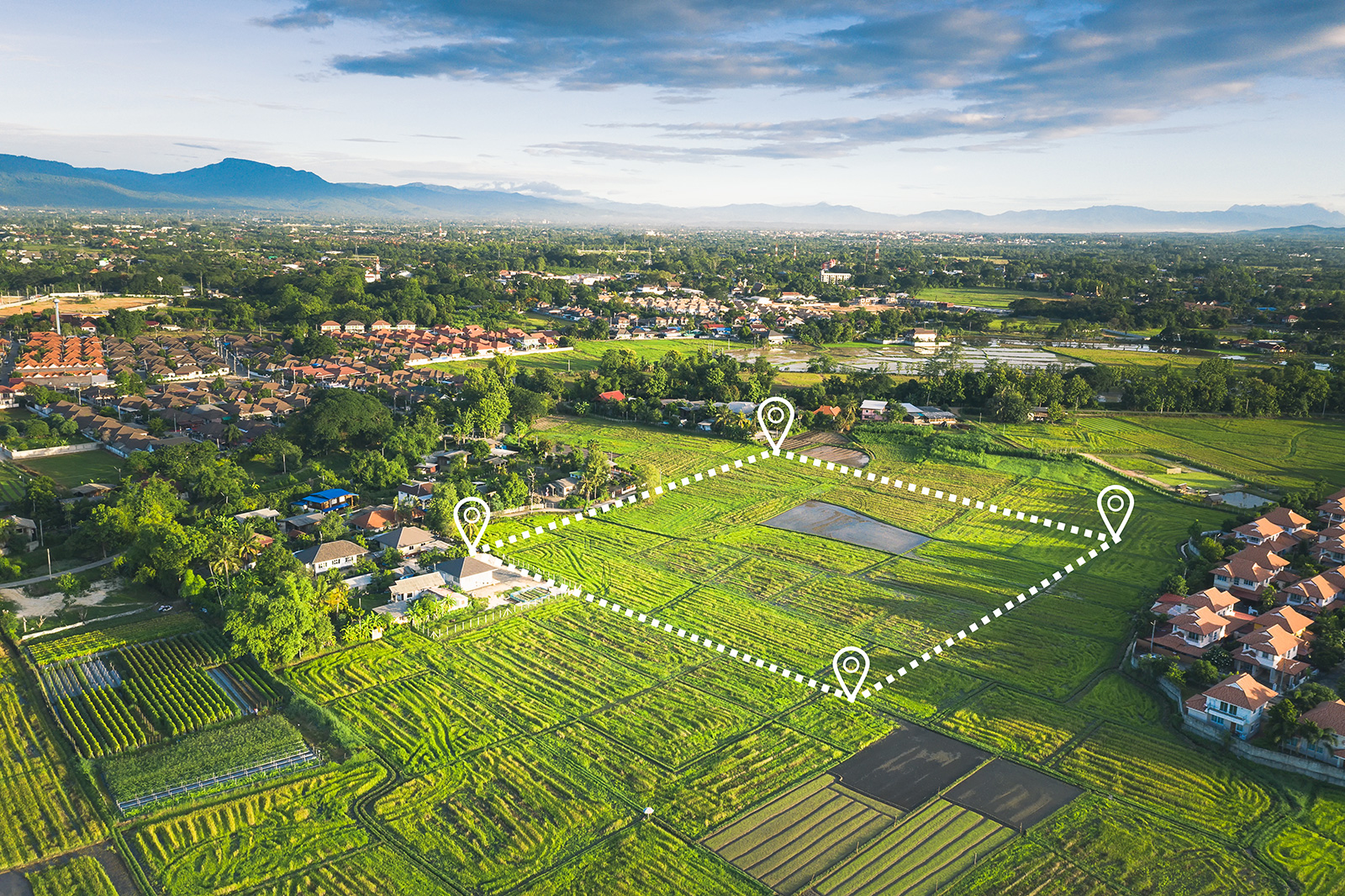
Finding a parcel of land you want to buy is exciting, but arranging financing for it can be more complicated than getting a mortgage on an existing home. Raw land financing is a loan that helps buyers purchase undeveloped land in Ontario. Raw land generally refers to a vacant parcel without existing buildings or fully established infrastructure, although road access, utilities, zoning and available services can vary from one property to another.
Because there is no existing building or rental income to support the purchase, lenders may take a closer look at the land before deciding how much they are willing to finance. They can consider its location, zoning, road access, utilities, intended use and development potential, along with your income, credit history and available down payment. These details can influence the financing structure, repayment terms and approval requirements.
So, what should you know before purchasing undeveloped land? This guide explains the types of raw land you may be able to finance, the financing options available in Ontario, how down payments work and what lenders consider during an application. We will also cover common challenges, alternative lending solutions and how a mortgage broker can help you explore suitable financing.
What Is Raw Land Financing in Ontario?
Raw land financing is a loan used to purchase a vacant or undeveloped parcel of land. The land generally serves as security for the loan, meaning the lender can register a mortgage against the property. The buyer then repays the borrowed amount according to the agreed repayment schedule and loan conditions.
The term “raw land” usually describes a parcel without existing buildings or established development. However, that does not mean every vacant property is completely disconnected from infrastructure. One parcel might have direct access to a public road and electricity nearby, while another may require a new driveway, well, septic system or other improvements before development can begin.
When reviewing an application, a lender considers the property’s value, location, zoning, intended use and the borrower’s ability to repay. These details help determine whether the land is suitable security and what financing conditions may apply. Unlike a mortgage on an established residential property, raw land financing may involve a different down payment, loan term and approval process. Ontario’s Provincial Planning Statement, 2024, which came into effect on October 20, 2024, provides the province-wide framework municipalities use when making land-use planning decisions. Understanding the property’s planning status is therefore an important part of preparing for a purchase.
Why Do Investors and Developers Purchase Raw Land?
Investors, developers, farmers and individual buyers purchase raw land for different reasons. Some want to hold a parcel for the long term, while others see an opportunity to build, expand a business or prepare a site for future development. The right purpose depends on the property’s location, permitted use and the buyer’s plans.
Common reasons for purchasing undeveloped land include:
- Long-Term Investment: Some buyers purchase vacant land and hold it for several years, expecting that demand or development in the surrounding area may create future opportunities. The investment period can be lengthy, so buyers need to consider property taxes, maintenance and other holding costs.
- Future Development: Developers may acquire land before they are ready to build. They can use the time to assess the site, prepare plans and pursue the approvals needed for a future project.
- Land Appreciation: Changes in nearby infrastructure, population growth and development activity may influence land values over time. However, appreciation is never guaranteed. For context, the FCC Farmland Values Report recorded a 2.2% increase in Ontario’s average cultivated farmland values in 2025. This figure relates to cultivated farmland, not every type of vacant land, and does not predict future returns.
- Subdivision: A buyer may purchase a larger parcel with the intention of dividing it into smaller lots. This can create opportunities for separate sales or development, but subdivision requires the relevant planning approvals and must comply with applicable regulations.
- Residential Construction: Individuals and developers may buy land to build a custom home, multiple homes or a larger residential project. The proposed construction must align with the property’s zoning and receive the necessary approvals.
- Commercial Construction: Businesses and investors may acquire land for offices, retail buildings, industrial facilities or other commercial uses. The property’s permitted use, location and suitability for the proposed project all matter.
What Types of Raw Land Can You Finance in Ontario?
Ontario buyers can explore financing for several types of undeveloped land, including agricultural parcels, rural properties and sites intended for future residential or commercial development. However, the type of land alone does not determine eligibility. Lenders assess each property individually based on its location, zoning, accessibility, intended use and their own lending policies.
Here are some common categories buyers may come across:
- Agricultural Land: Vacant land intended for farming, crop production or other agricultural activities may be considered for financing. Lenders may review the property’s agricultural classification, soil and usable acreage, along with the buyer’s intended use. Agricultural financing requirements can differ from those for residential or commercial development land.
- Vacant Rural Land: These parcels are generally located outside established urban areas and may have limited access to municipal water, sewage, electricity or other services. Their location, road access and distance from existing infrastructure can influence the available financing options.
- Residential Development Land: This category includes vacant parcels intended for future housing, custom homes or larger residential projects. Buyers should confirm the property’s zoning and understand whether additional planning approvals, servicing or subdivision permissions are needed before construction can proceed.
- Commercially Designated Land: Land designated for commercial use may be purchased for offices, retail spaces, industrial facilities or other permitted business activities. Lenders may consider the property’s location, permitted uses and the feasibility of the proposed development when reviewing the application.
- Undeveloped Parcels: These are vacant plots without existing buildings or established development. They may be located in urban, suburban or rural areas, and their financing potential depends on their individual characteristics, accessibility and intended use.
Not every parcel in these categories will qualify for a loan. A vacant property with established road access and a clear permitted use may present a different financing profile from a remote parcel with limited services or uncertain development potential.
How Does Financing Raw Land Differ From Buying a Developed Property?
The main difference is the level of information and existing value a lender can assess. A developed property generally has buildings, established access or an existing use, while raw land may have no improvements or income. This can create more uncertainty around its current value and future use, which may affect the down payment, loan terms and approval process.
| Comparison Factor | Raw Land Financing | Developed Property Financing |
| Property Condition | The parcel may have no existing buildings, improvements or established infrastructure. | The property generally includes existing buildings or other improvements that can be inspected and assessed. |
| Down Payment | Lenders may require a larger upfront contribution depending on the parcel’s characteristics and perceived risk. | Requirements vary by property type, borrower eligibility and applicable lending rules. |
| Lender Risk | Limited infrastructure, uncertain development potential and the absence of existing income can create additional uncertainty. | Existing buildings, established use and potential rental income provide more information for the lender’s assessment. |
| Loan Terms | Repayment periods and financing conditions may differ depending on the lender, land characteristics and proposed use. | Mortgage terms depend on the property’s type, income profile and the structure of the loan. |
| Property Valuation | Location, zoning, road access, comparable land sales and development potential can influence the valuation. | Building condition, location, income and comparable property sales may contribute to the valuation. |
| Approval Requirements | Lenders may review zoning, intended use, access, available services and the buyer’s financial position. | Lenders may assess the building, property value, income potential and borrower qualifications. |
These differences do not mean that financing raw land is impossible. They simply mean buyers should understand that lenders may approach an undeveloped parcel differently from a property that is already built and in use.
What Financing Options Are Available for Purchasing Raw Land in Ontario?
Buyers in Ontario can explore several financing routes when purchasing undeveloped land. These include traditional bank loans, credit union financing, private lending, seller financing and other alternative solutions. The most suitable option depends on the property’s characteristics, your financial position, the intended use and each lender’s requirements.
Some of the main options include:
- Traditional Bank Land Loans: Banks may provide financing for eligible vacant land purchases, particularly when the property meets their location, zoning and access requirements. They will also review the buyer’s credit history, income, available down payment and repayment capacity. Not every bank offers the same land financing products, so requirements can vary.
- Credit Union Financing: Credit unions may offer land financing based on their own lending policies and assessment criteria. Some buyers explore this route when they want to discuss a particular property or local market with a lender familiar with the area.
- Private Land Loans: Private lenders may consider applications involving properties or borrowers that do not fit some conventional lending requirements. These loans can provide another route for certain land purchases, although interest rates, fees, repayment periods and other conditions may differ from traditional financing.
- Seller Financing: In some transactions, the seller agrees to finance part or all of the purchase price instead of requiring the buyer to arrange the entire amount through a bank. The buyer and seller establish repayment terms in a formal agreement, which should be reviewed by qualified legal professionals before signing.
- Alternative Lending Solutions: Alternative lenders may assess land purchases using a different approach from traditional banks. This can be relevant when a property has unusual characteristics or the buyer’s financial circumstances require a more flexible assessment. Availability and conditions still depend on the lender.
It is also worth understanding the wider interest rate environment when comparing borrowing costs. The Bank of Canada’s October 28, 2026 announcement raised its policy rate to 2.5%. However, this is not the interest rate you will automatically receive on a land loan. A lender’s actual offer depends on its own pricing, the loan structure, the property and your financial circumstances.
How Much Down Payment Do You Need to Finance Raw Land?
A down payment is the amount of money you contribute toward the land purchase yourself, while the lender finances the remaining approved amount. Buyers generally need to provide an upfront contribution because undeveloped land can involve more uncertainty than an established property. However, there is no single down payment percentage that applies to every raw land purchase in Ontario.
The amount a lender expects can depend on the parcel’s location, zoning, road access, available utilities and development potential. For example, a well-located parcel with legal road access and a clear permitted use may be assessed differently from remote land that needs significant infrastructure work. The lender’s willingness to finance the purchase may also depend on how easily the property could be valued and resold if repayment becomes a problem.
Your financial position matters too. Lenders may review your credit history, income, existing debt, savings and overall repayment capacity before deciding how much they are prepared to lend. A buyer with a strong financial profile may be assessed differently from someone with limited documented income or significant existing obligations.
Before making an offer, discuss your available funds and the property’s details with a potential lender or mortgage broker. Ask how much of the purchase price may be financed, what additional costs you should budget for and whether the lender has specific conditions for that type of land. This gives you a clearer picture of the cash you may need before committing to the purchase.
What Factors Do Lenders Consider When Approving Raw Land Financing?
Lenders review both the property and the buyer before approving raw land financing. They want to understand whether the parcel provides suitable security for the loan and whether the borrower can manage repayments. The following factors may influence their decision:
- Credit History: Your credit history gives lenders an idea of how you have managed borrowing in the past. They may review your repayment record, outstanding accounts and any missed payments when assessing the application.
- Income: Lenders consider whether your income is stable, verifiable and sufficient to support the proposed repayments. Depending on your employment or business situation, they may request documents such as pay statements, tax returns or financial statements.
- Existing Debt: Current loans, credit card balances and other financial commitments can affect how much additional borrowing you can manage. Lenders consider these obligations alongside your income when assessing repayment capacity.
- Land Valuation: A lender may require an appraisal or another acceptable valuation to understand the property’s market value. The result can influence the amount they are willing to finance and the security available for the loan.
- Zoning: Zoning determines the types of uses permitted on a property. A lender may compare the zoning with your proposed plans to understand whether the intended use is allowed or whether additional approvals may be required.
- Road Access: Lenders may want to establish whether the property has legal and practical access. A parcel that can only be reached through another owner’s land, without a properly established access arrangement, may require additional investigation.
- Utilities: The availability of electricity, water, sewage and other services can affect what buyers can do with the property. Lenders may consider whether the site has the infrastructure needed for its intended use or whether additional work will be required.
- Development Potential: A lender may consider whether the property could support the buyer’s proposed project, subject to planning permissions and other approvals. Potential development value should not be treated as guaranteed, particularly when important approvals are still outstanding.
- Intended Land Use: The buyer’s plans can influence the type of financing a lender considers. A parcel intended for farming may be assessed differently from land being purchased for a custom home, subdivision or commercial development.
Lenders may also ask about your exit strategy, which means how you plan to repay the loan or move the project forward. For example, you might intend to sell the land later, refinance after obtaining approvals or proceed with construction. Explaining your plan can help the lender understand the purpose and expected timeline of the purchase.
What Are the Common Challenges When Financing Undeveloped Land?
Buying undeveloped land can involve practical issues that do not usually arise when purchasing an established home or commercial property. Even when a parcel looks suitable at first, infrastructure work, access restrictions, environmental conditions or planning requirements may affect how and when you can use it.
Some common challenges include:
- Limited Infrastructure: A vacant parcel may not have electricity, municipal water, sewage, drainage or other essential services. Connecting these services can require additional work and expense, which buyers should consider when calculating the total project budget.
- Restricted Access: Some properties have limited road access or rely on access arrangements that need further legal review. If access rights are unclear, buyers may face delays or additional costs before they can use or develop the land.
- Uncertain Development Timelines: Obtaining planning approvals, permits and servicing arrangements can take time. A project may not move forward as quickly as expected, particularly when several approvals or infrastructure improvements are needed.
- Environmental Concerns: Wetlands, flood-prone areas, contaminated soil, unstable ground or conservation restrictions can affect the land’s permitted use and development possibilities. Ontario’s O. Reg. 41/24 sets out rules for activities regulated by conservation authorities. Depending on the location and proposed work, a permit may be required for development in regulated areas or activities affecting wetlands and watercourses.
- Zoning Limitations: A buyer may have a particular project in mind, but the property’s zoning may not permit that use. Changing the zoning or obtaining additional planning approvals is not guaranteed, so buyers should check the applicable requirements before purchasing.
- Difficulty Establishing Land Value: Vacant land can be harder to value when there are few comparable sales or when its development potential is uncertain. Differences in location, access, zoning and available services can also make it difficult to compare one parcel with another.
Market conditions can add another layer of uncertainty, particularly for buyers considering land for commercial development. The Altus Group’s Q3 2026 Toronto commercial real estate market update provides market context for the Greater Toronto Area, but buyers should still assess the specific location, property type and proposed project rather than assuming broader market trends apply to every parcel.
When Should You Consider Alternative Financing for Raw Land?
Alternative financing may be worth exploring when a property or borrower’s financial circumstances do not fit the requirements of a traditional bank. It gives buyers another route to investigate, but it does not automatically mean better terms or lower borrowing costs. The important thing is to compare the complete financing arrangement before making a decision.
You may want to explore alternative financing in situations such as these:
- Unconventional Properties: Some parcels have unusual characteristics, limited comparable sales or a location that makes conventional valuation more difficult. A lender with experience in land financing may be willing to review the property’s circumstances in more detail.
- Complex Borrower Profiles: Self-employed buyers, investors and business owners may have income structures that do not fit standard documentation requirements. Alternative lenders may assess different types of financial information, depending on their policies.
- Limited Infrastructure: Land without established utilities, road improvements or municipal services may not meet the requirements of some traditional lenders. Other financing providers may consider the parcel based on its location, value and intended use.
- Non-Standard Zoning or Land Use: A property with specific zoning conditions or an unusual proposed use may require a more specialized assessment. Buyers should still confirm what the municipality permits rather than relying on a lender’s willingness to consider the application.
- Traditional Lending Restrictions: If a bank is unable to finance the purchase because of its property criteria, loan limits or borrower requirements, exploring other lenders may help identify another possible route.
Before choosing this option, compare the interest rate, lender fees, repayment schedule, loan term, renewal conditions and any additional costs. A loan that is easier to arrange may still be more expensive over its full term. Make sure the financing works with your budget and the timeline of your land purchase or development plans.
How Can a Mortgage Broker Help You Secure Raw Land Financing in Ontario?
A mortgage broker can help you understand the financing requirements for your land purchase and explore lenders that may consider the property. Instead of approaching lenders without knowing their criteria, you can discuss the parcel and your financial position first. This can help you identify potential financing routes before moving too far into the purchase process.
A broker may review the property’s location, zoning, road access, available services, valuation and intended use to understand its financing profile. They can then compare potential lending structures, including differences in down payment expectations, interest rates, repayment terms and qualification requirements. A broker may also help organize your financial documents, coordinate communication with lenders and guide you through the application process.
This support can be especially useful when the property has unusual characteristics or traditional bank financing is not a suitable fit. At OMJ Mortgage Capital, founder Omid “Doctor Finance” Jalili brings decades of experience in commercial and development financing, including hundreds of millions of dollars in financing arranged. OMJ’s land and development financing services cover raw land, serviced lots and development sites. The company states that financing may reach a maximum of 75% loan-to-value, depending on the site’s location, zoning and entitlement stage. Actual terms and approval remain subject to the lender’s assessment.
Explore Flexible Raw Land Financing Options Tailored to Your Project
Raw land financing is not the same for every purchase. A parcel’s location, zoning, accessibility, available infrastructure and intended use can all influence the financing structure a lender may consider. Understanding these details early can help you prepare for the application process, estimate your available down payment and identify potential issues before committing to a purchase.
OMJ Mortgage Capital works with buyers, builders and developers exploring financing for different stages of land acquisition and development. Its land and development financing services include raw land, serviced lots, subdivision projects and development sites. You can also explore the company’s projects, which include land and construction combinations in Forest Hill South and the Bridle Path. With 25+ years of experience and more than $1 billion in financing arranged, OMJ helps clients explore lending solutions for complex property and development requirements.
Have a question in mind or planning a future land purchase? Speak with the OMJ team about your project, available funds and financing requirements. Call (905) 482-9393 or contact the team to discuss your options. You can start the conversation without preparing a full application package.
Frequently Asked Questions (FAQs)
Q1. Can you get a mortgage to buy raw land in Ontario?
Yes. Some banks, credit unions and private lenders offer financing for eligible vacant land purchases. Approval depends on the property, the borrower’s finances and the lender’s requirements.
Q2. Is it harder to finance raw land than a developed property?
It can be. Raw land has no existing building or rental income, which may create more uncertainty for lenders and affect the down payment or loan conditions.
Q3. Can you finance raw land if you do not plan to develop it right away?
Yes, some lenders may finance land purchased for long-term investment or future use. They may ask about your purchase purpose, holding costs and plans for repaying the loan.
Q4. Can you use raw land as collateral for a loan in Ontario?
Yes. If you own the land or have sufficient equity in it, a lender may consider registering a mortgage against the property as security. The amount available depends on its value, your finances and the lender’s requirements.